
Finding Your New Equine Partner: A horse buyers guide.
Every week, I receive messages from horse lovers asking for advice on how to find their first—or next—equine partner. Whether it’s someone finally ready to buy their first horse after years of dreaming, or a seasoned owner looking to find a new match, the question pops up so regularly that I thought it was time to write about it.
Bringing a new horse into your life is a big deal. It’s exciting, emotional, and sometimes overwhelming. So here are some of my thoughts, based on years of experience- Finding Your New Equine Partner: A horse buying guide, that I hope will help you navigate this journey with clarity, care, and confidence.
Let’s start with the most important thing: be patient.
This might sound obvious, but it’s often the hardest part. The right horse is out there—but they may not be the first one you come across. It’s easy to fall into the trap of buying quickly because you’re excited, or you’re scared you’ll miss out, or because someone tells you “this one’s perfect.” But remember: you’re not just buying a horse—you’re choosing a long-term (if not, life long) partner. One that you’ll spend time, money, and emotional energy on for years to come. Take the time to get it right.
Know what you need (not what you want)—before you start looking.
Sit down and make a “must-haves” list. This isn’t about your dream horse of a certain colour and breed, with flowing hair and perfect conformation. What is the point of dreaming of a big, black, young warmblood mare with lots of flair and exceptional hock movement, if what you NEED is a lovely calm gelding to share the trails with? This is about being honest about your current skill level, lifestyle, and goals.
Get some help with this from a trusted, experienced horse person- sometimes we can get our ambitions and our capabilities a little muddled, and it’s good to have a removed opinion. FYI- I offer this service and I’m more than happy to help guide you through the process with clarity and care. See my phone consultations here
Do you need a quiet trail companion? A horse that’s safe around children? A steady mount who’s been exposed to a range of environments? A horse that is capable of upper-level dressage movements or jumping a certain height? A schoolmaster? This list should reflect what’s essential for you right now.
A good rule of thumb: if a horse ticks off around 80% of your must-haves, they’re worth considering. No horse will meet 100% of your checklist. But if you stay focused on the essentials (not the nice-to-haves), you’re far more likely to find a good match.
Have a realistic budget.
You don’t need to take out a second mortgage, sell a kidney or your first born child, but be prepared to pay a fair price for a horse that’s been well handled, educated, and cared for. This includes trail horses. A reliable trail horse is not simply one that’s failed in other disciplines—it’s a horse with specific training and a temperament that suits the work. I won’t even get started on this….actually I will! For another blog.
The old saying “you get what you pay for” rings true here. Investing a bit more upfront often means fewer problems and expenses down the track.
Set aside money for care and emergencies.
Beyond the purchase price, you’ll need funds for:
- Feed and supplements
- Regular vet care (dental, vaccinations, worming)
- Tack and rugs
- Emergency vet callouts
- Float maintenance and fuel
- Training or lessons if needed
It’s wise to open a dedicated horse expenses account and investigate insurance that covers veterinary costs. Horses are wonderful, but they’re not cheap—and peace of mind goes a long way.
Don’t go it alone.
If you’re not confident in assessing horses—or if you’re easily swayed by emotion (which, let’s be honest, is most of us when we see a kind eye and a soft nicker)—ask for help. Have someone experienced help field potential matches. They can keep your criteria front and centre and steer you away from options that aren’t quite right, even if they’re tempting. This is another service I offer (within NSW) I truly want to see horses in the right homes, with the right people. See this page for further info
Ask for videos before visiting in person.
It’s incredibly helpful to see how the horse behaves in their everyday life before investing time, travel, costs and emotion into a visit. Ask the seller for videos that include:
- Catching in the paddock
- Leading and tying up
- Picking up feet
- Rugging
- Saddling and bridling
- Loading on a float
- Ridden footage that shows the horse in the type of work you’re looking for. There is no point watching a lovely dressage test, or a fast, clean jump around a course, if you are wanting a cutting horse right?
This helps filter out horses that aren’t suitable before your heart gets involved. It’s so easy to meet a horse and fall in love with their personality, even if they’re not a good match for your needs. If you haven’t met them in person, it’s much easier to say “thanks but no thanks.”
Ride the horse more than once—and in different settings if possible.
Horses can behave very differently from one day to the next, and how they handle changes in environment can tell you a lot. If the horse is being advertised as a calm and reliable mount, ask if you can see them at a pony club rally, a competition, a training clinic, or even just a local showground.
And if you’re buying a trail horse? Ride them on the trail. Riding in an arena tells you very little about how they’ll handle open spaces, dogs, wildlife, or uneven terrain. Of course, always begin in a safe, enclosed space—but don’t skip the real-life test if that’s where you’ll be spending your time.
👏 Get 👏 a 👏 vet 👏 check. 👏
I cannot stress this enough. A full pre-purchase examination by an equine vet can reveal soundness issues, dental problems, and subtle concerns that might not be obvious to the untrained eye.
Yes, it’s an extra expense—but it’s far cheaper than buying a horse and discovering down the track that they can’t do the work you bought them for, or worse, require ongoing treatment for a preventable issue.
A good vet check can save you heartache and help you buy with peace of mind.
Line up a good farrier before you buy.
One of the most overlooked steps in horse buying is checking that your local farrier has room on their books. Hoof care is absolutely essential to your horse’s wellbeing, movement, and longevity.
As the saying goes: “No hoof, no horse.” Poor hoof care can lead to lameness, behavioural issues, and even long-term injury. So, make sure you can meet this basic need before bringing your new friend home.
The same advice goes for a good vet!!
Find a coach who aligns with your values—location doesn’t matter when remote coaching makes ethical, goal-driven support accessible from anywhere.
Finding a coach who aligns with your ethics and goals is one of the most important decisions you can make on your horsemanship journey. A good coach should not only help you build skills, but also support your values, encourage your growth, and foster the kind of relationship you want to have with your horse. Some of us are lucky enough to have a variety of great coaches nearby, while others feel limited by geography. But proximity shouldn’t dictate your progress—especially if local options don’t reflect the approach or philosophy you believe in.
Thanks to technology, it’s now easier than ever to connect with a coach whose style truly resonates with you, no matter where they’re based. Platforms like Zoom, YouTube, and Pivo have opened the door to remote coaching from all corners of the world. So don’t feel like you have to settle just because someone is local—if their methods don’t sit right with you, keep looking. There are so many coaches, myself included, offering remote sessions that are accessible, personal, and surprisingly effective. When you find someone who truly aligns with your ethics and goals, it changes everything—for you and your horse.
And lastly,
When you have purchased your next partner, return to point number #1 BE PATIENT
It’s important to remember that horses, like humans, need time to settle into new relationships and environments. A new home, new people, and possibly new herd mates can all be overwhelming at first. Your horse may need weeks, months—to fully relax and show their true self. And then the connection begins! Be patient and gentle during this transition. Give him or her the time they deserve to adjust, build trust, and find their place. A strong foundation of connection and confidence takes time, and it’s always worth the wait.
In summary:
Finding Your New Equine Partner: A horse buying guide highlights that finding the right horse isn’t about luck—it’s about being prepared, thoughtful, and willing to take your time. The horse that truly suits you is out there, but they deserve the best version of you too. One that’s ready, realistic, and able to offer consistent care and partnership.
Ask questions. Stay grounded. Trust your instincts. And don’t ignore the red flags, even if the horse you are viewing ticks all your ‘nice to haves list’. The right match is worth waiting for, and when you find it, the bond you’ll build will be one of the most rewarding relationships of your life.
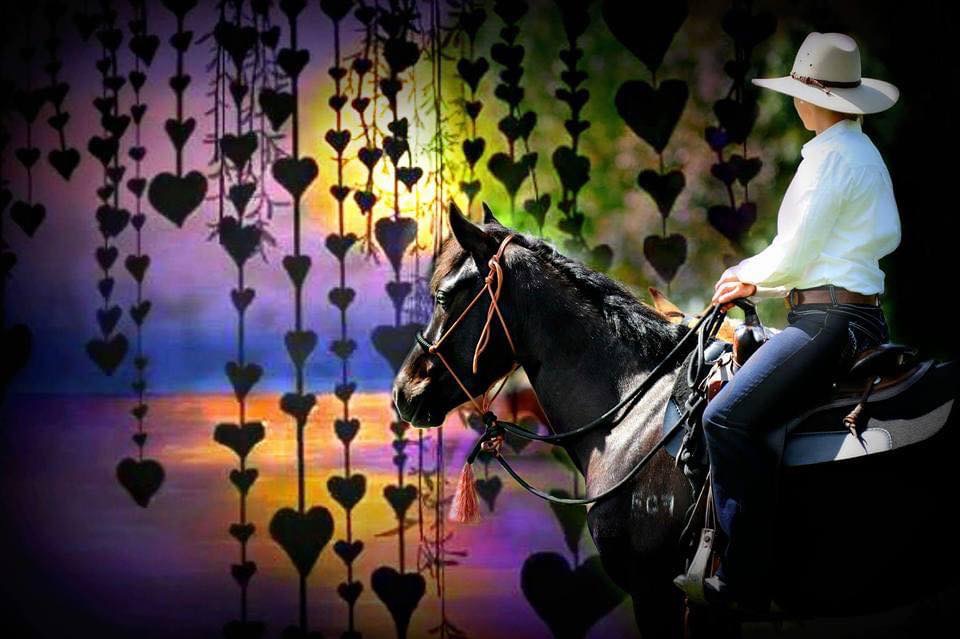
Photo Credit: Ellen at Still Free Photography
